
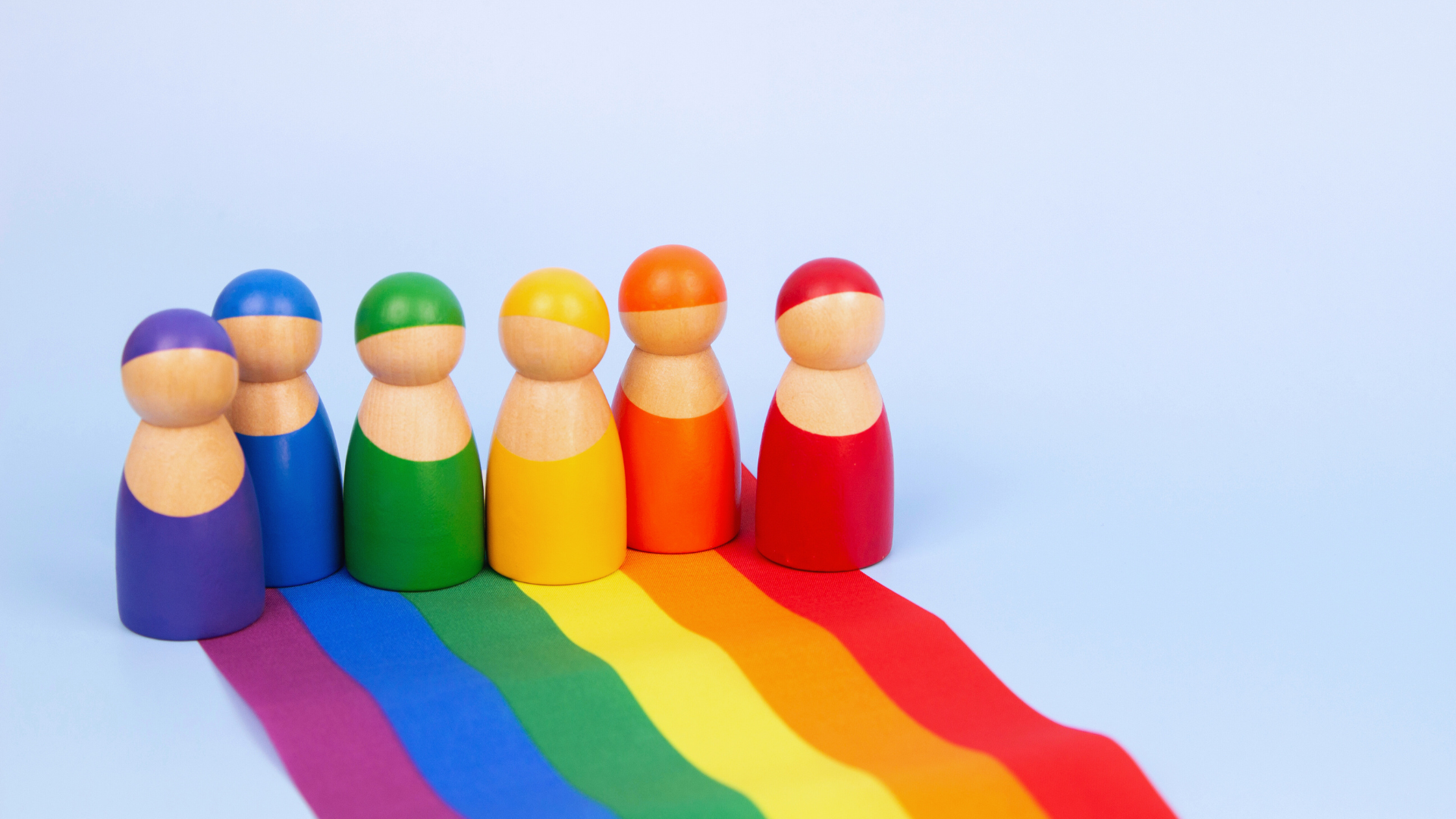
Exploring sexuality requires understanding personal boundaries and respecting others’ limits. The key to a safe and respectful exploration is clear communication and consent at every step. This approach helps create an environment where individuals feel secure and valued.
Knowledge about one’s own desires and emotions plays a crucial role in this process. It encourages thoughtful reflection and informed choices. When people approach sexuality with respect and openness, they reduce risks and build healthier relationships.
Safety also involves protecting physical and emotional health. Using reliable information and trusted resources supports responsible decisions. Respecting diversity and individual differences fosters an inclusive space for exploration.
Understanding Sexuality and Identity
Sexuality and identity involve complex and interconnected aspects of how individuals experience themselves and relate to others. These elements include physical attraction, personal understanding, and social roles, all of which shape how people express themselves.
Defining Sexuality
Sexuality refers to a person’s capacity for sexual feelings, attraction, and behavior. It encompasses biological, emotional, and social components. Sexuality is not limited to sexual acts but also includes desires, fantasies, and relationships.
It is important to distinguish sexuality from sexual behavior; the former is more about internal experiences, and the latter refers to actions. Sexuality varies widely among people and is influenced by culture, upbringing, and personal reflection.
Sexual Orientation and Gender Identity
Sexual orientation describes the direction of an individual’s sexual attraction. Common orientations include heterosexual, bisexual, pansexual, and gay. These terms indicate who a person is attracted to emotionally and physically.
Gender identity is separate from sexual orientation and refers to how someone personally understands their gender. This can be male, female, non-binary, or another identity outside the traditional categories. People may identify as LGBTQ+, encompassing diverse sexualities and gender identities.
Fluidity and Diversity in Identity
Sexual and gender identities are not always fixed and can change over time. This fluidity allows individuals to explore and redefine themselves in ways that reflect their current feelings and experiences.
Diversity in identity includes a broad spectrum beyond traditional labels. Some identify as queer to express a flexible or non-conforming sexual or gender identity. Recognizing this variety promotes respect and inclusion for all individuals.
Creating a Safe and Respectful Exploration Environment
A safe environment encourages honesty and self-acceptance, allowing individuals to explore sexuality without fear of judgment. Respect for personal limits and clear communication are essential for authentic self-discovery and meaningful connections.
Establishing Nonjudgmental Spaces
Nonjudgmental spaces focus on acceptance, where people feel free to express their thoughts and feelings without fear of criticism. These spaces foster authenticity by valuing each person’s unique experience.
Creating such spaces requires active listening and empathy. Avoiding assumptions and negative labels helps build trust and promotes open communication. Encouraging self-acceptance within these environments supports a healthy exploration process.
Building Support Networks
Support networks include friends, partners, or professionals who provide understanding and encouragement. They offer emotional safety and practical advice that helps individuals navigate complexities in their sexual identity or preferences.
Strong support networks respect diverse experiences and identities without imposing pressure or expectations. They contribute to a stable foundation for ongoing self-discovery and growth by offering validation and guidance.
Respecting Boundaries and Consent
Respecting boundaries means recognizing and honoring personal comfort levels during any form of sexual exploration. Clear, ongoing consent is critical and must be informed, enthusiastic, and reversible.
Effective communication about limits and desires prevents misunderstandings and reinforces respect. Consent is not a one-time agreement but a continuous dialogue that protects all parties’ well-being.
Practicing Self-Reflection and Authenticity
Understanding one’s feelings and desires requires honest examination and a commitment to personal truth. This process involves accepting oneself, using mindful techniques to explore feelings, and addressing any negative beliefs that hinder authentic expression.
Self-Acceptance and Personal Growth
Self-acceptance is crucial for healthy sexuality. It means recognizing and embracing one’s desires, boundaries, and feelings without judgment. When someone practices self-acceptance, they reduce internal conflict and create space for genuine self-expression. This also promotes personal growth, as it encourages exploration beyond societal expectations or previous biases.
Personal growth often involves learning new information about sexual attraction and identity. It requires patience, as these understandings may evolve over time. Developing a positive relationship with oneself strengthens confidence and helps navigate relationships with others in respectful and clear ways.
Mindfulness and Exploration Tools
Mindfulness supports self-reflection by helping individuals stay present with their emotions and sensations without reacting impulsively. Techniques like journaling, meditation, or guided reflection can uncover patterns in attraction or discomfort. This awareness aids in distinguishing between authentic desires and external pressures.
Tools such as safe, consensual experiences, educational resources, or therapy can facilitate deeper exploration. For example, journaling prompts like “What feelings arise when I consider my attractions?” help clarify thoughts. Mindfulness encourages patience and openness during self-discovery, reducing anxiety about uncertainty.
Overcoming Internalized Shame
Internalized shame often originates from societal stigma around sexuality. It can block authentic self-expression and create barriers to self-acceptance. Overcoming this shame requires recognition of its source and intentional effort to reframe negative beliefs.
Therapeutic approaches, peer support groups, and affirming communities provide practical ways to challenge and dismantle shame. Affirmations such as “My sexual feelings are natural and valid” reinforce a positive self-view. Addressing shame enables a clearer understanding and acceptance of one’s authentic sexual identity and attraction.
Navigating Cultural and Social Influences
Cultural and social factors heavily shape how individuals experience and express their sexuality. These influences impact perceptions, behaviors, and access to support for people across different identities, especially within LGBTQ+ and queer communities.
Challenging Societal Norms
Many societies maintain traditional views on sexuality that prioritize heterosexuality and binary gender roles. Challenging these norms involves questioning ingrained beliefs and advocating for broader acceptance of diverse sexual orientations and identities.
For example, resisting pressure to conform to heterosexual expectations allows individuals to explore and affirm their queer or LGBTQ+ identities safely. This resistance can take forms such as participating in advocacy, educating peers, or embracing non-traditional relationship models.
Cultural norms often affect how openly someone can express their sexuality, making it crucial for individuals to find or create supportive environments where authenticity is respected.
Addressing Stereotypes and Expectations
Stereotypes about LGBTQ+ people can limit self-expression and perpetuate harmful assumptions. These may include myths about sexual behavior, identity fluidity, or gender roles tied to sexual orientation.
Addressing such stereotypes requires awareness and critical reflection on how these ideas influence perceptions. It also involves rejecting simplistic labels that do not capture the complexity of human sexuality.
Expectations around “acceptable” relationships or identities can cause stress or concealment. Being mindful of these pressures helps individuals navigate their identities with greater clarity and confidence.
Seeking Affirming Resources
Access to affirming resources is essential for exploring sexuality safely. These include inclusive healthcare providers, mental health professionals knowledgeable about queer issues, and community organizations supporting LGBTQ+ rights.
Online platforms and local support groups also offer information, counseling, and connection to others with similar experiences. Using these resources reduces isolation and promotes healthy identity development.
When selecting resources, individuals should prioritize those that respect privacy, provide accurate information, and foster an atmosphere of acceptance and understanding.