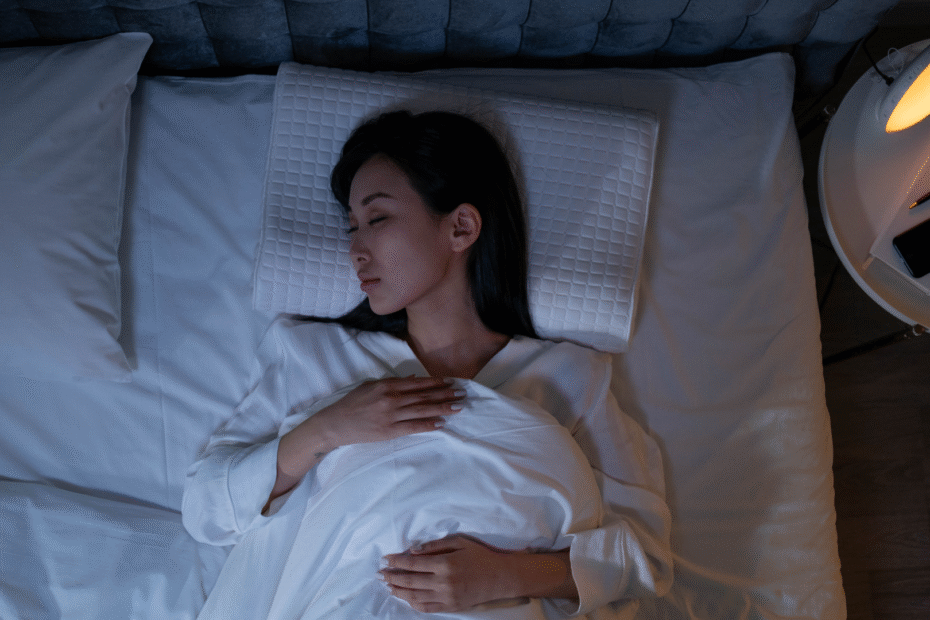
Many people struggle to achieve restful sleep, which can significantly impact their health and well-being. Making simple adjustments to daily habits and sleep environments can lead to better sleep quality. This blog post explores effective strategies for improving sleep, ensuring readers get the restorative rest they need.
Sleep is essential for maintaining mental clarity, emotional balance, and physical health. People often underestimate the importance of a sleep routine and how environmental factors influence sleep quality. By implementing specific techniques, it is possible to create an ideal atmosphere for relaxation and restful slumber.
Readers will discover practical tips for optimizing their sleep experience, from establishing a consistent sleep schedule to creating a calming bedtime environment. With actionable advice, this article aims to empower individuals to take control of their sleep health and enjoy the benefits of a good night’s rest.
Understanding Sleep
Sleep is a vital process that affects physical and mental health. Key factors include sleep stages, disorders, and the impact of inadequate sleep.
The Science of Sleep
Sleep consists of several stages: light sleep, deep sleep, and REM sleep. These stages are part of a cycle that typically lasts about 90 minutes, repeating several times a night.
- Circadian rhythm regulates sleep-wake cycles, influenced by light exposure.
- Sleep stages play different roles: deep sleep (or slow-wave sleep) is crucial for physical recovery, while REM sleep aids memory consolidation and emotional processing.
Disruptions in these cycles can significantly impact health, affecting everything from mood to cognitive function.
Common Sleep Disorders
Sleep disorders can range from mild to severe, disrupting sleep quality and patterns.
Some common conditions include:
- Insomnia: Difficulty falling or staying asleep, often linked to stress or anxiety.
- Sleep Apnea: Characterized by pauses in breathing, leading to fragmented sleep and excessive daytime sleepiness.
- Restless Legs Syndrome: Causes uncomfortable sensations in the legs, typically worse at night.
- Narcolepsy: A chronic condition marked by excessive daytime drowsiness and sudden sleep attacks.
These disorders require proper diagnosis and management to restore healthy sleep patterns.
Effects of Sleep Deprivation
Lack of adequate sleep can lead to many negative outcomes. Short-term effects include irritability, impaired memory, and decreased focus.
Long-term sleep deprivation is associated with:
- Increased risk of chronic health conditions such as obesity, diabetes, and cardiovascular disease.
- Weakened immune response, making the body more susceptible to illness.
- Elevated stress hormones can lead to anxiety and depression.
Recognizing the signs of sleep deprivation is essential for improving sleep health.
Improving Sleep Hygiene
To enhance sleep quality, one should focus on the environment, establish a consistent schedule, and maintain a balanced diet and exercise routine. Each of these components plays a vital role in promoting better sleep hygiene.
Creating a Restful Environment
A comfortable bedroom environment is crucial for quality sleep. Key factors include temperature, noise levels, and lighting. The ideal bedroom temperature ranges between 60-67°F (15-19°C), as cooler settings support optimal sleep.
Maintaining this temperature often depends on a properly functioning air conditioning system. Beyond cooling the room, a well-maintained unit can also improve indoor air quality by filtering dust, allergens, and excess humidity from the air.
And to ensure the system continues to perform effectively, regular servicing and routine maintenance are important. These inspections help the AC run efficiently, maintain steady airflow, and reduce the likelihood of unexpected breakdowns that could disrupt comfort.
However, when an AC system becomes outdated or starts losing efficiency, replacement may be the more practical solution. In such cases, homeowners could search online for “air conditioner replacement Chattanooga TN” (or elsewhere) to find a reputable expert who can evaluate the system and recommend a suitable upgrade.
Moreover, quality bedding is indispensable. A supportive mattress and appropriate pillows can significantly improve comfort. Additionally, blackout curtains and white noise machines can help create a tranquil atmosphere.
It is also advisable to limit exposure to screens before bedtime. Blue light emitted from devices can disrupt circadian rhythms. Instead, opting for calming activities, such as reading or meditating, can facilitate a smoother transition to sleep.
Alongside these environmental factors, the clothing worn to bed can also influence sleep quality. Tight, heavy, or non-breathable garments may trap heat and restrict movement, causing discomfort and sleep interruptions.
Therefore, choosing lightweight, breathable fabrics, such as a soft pyjama or a loose cotton T-shirt with comfortable shorts, helps regulate body temperature and promotes ease of movement. Ultimately, comfortable sleepwear supports a relaxed state, contributing to a smoother, more restful night.
Temperature and airflow can also affect how comfortable a bedroom feels through the night. If heating or cooling problems make it difficult to maintain a consistent indoor environment, homeowners can turn to Penguin HVAC in Vancouver for professional help with their home comfort systems.
Developing a Sleep Schedule
Consistency in sleep patterns is vital. Establishing a sleep schedule helps regulate the body’s internal clock. Individuals should aim to go to bed and wake up at the same time daily, even on weekends.
Keeping a sleep diary can assist in tracking sleep patterns. Noting down aspects like bedtime, wake-up time, and daytime habits can help identify factors affecting sleep quality.
Awareness of personal sleep needs also plays a role. Most adults require 7-9 hours of sleep per night. Adapting one’s schedule to meet these needs can enhance overall sleep quality.
Diet and Exercise for Better Sleep
Dietary choices directly influence sleep quality. Limiting caffeine and alcohol intake, especially in the hours leading up to bedtime, can prevent disturbances. Caffeine, found in coffee and certain teas, can remain active in the body for hours.
Incorporating regular exercise into daily routines further enhances sleep hygiene. Engaging in physical activity during the day can help reduce stress and promote nighttime sleepiness. Aim for at least 30 minutes of moderate exercise most days.
Timing is essential; exercising too close to bedtime might have a stimulating effect, hindering sleep. Thus, it is best to complete workouts at least a few hours before going to bed.
Lifestyle Adjustments and Relaxation Techniques
Making specific lifestyle adjustments and incorporating relaxation techniques can significantly enhance sleep quality. These strategies target stress reduction, anxiety management, and the establishment of a calming bedtime routine.
Mindfulness and Meditation
Mindfulness and meditation are effective practices for reducing anxiety and promoting relaxation. Engaging in mindfulness exercises encourages individuals to focus on the present moment, thereby minimizing racing thoughts that can disrupt sleep.
Meditation can be practiced in various forms, such as guided sessions or breathing exercises. Even spending 10-20 minutes in quiet reflection can help lower cortisol levels, the body’s primary stress hormone. Through consistent practice, individuals often notice improved sleep onset and quality.
The Role of Napping
Daytime naps can play a complementary role in a healthy sleep pattern. A short nap lasting between 10-30 minutes can refresh energy levels and reduce fatigue without interfering with nighttime sleep.
It’s essential to time naps properly, ideally in the early afternoon when natural dips in alertness occur. Hindering nightly sleep can result from longer or poorly timed naps, making moderation key to achieving balance.
Evening Rituals and Relaxation Practices
Establishing a calming bedtime routine can signal to the body that it’s time to wind down. Activities such as reading, taking a warm bath, or practicing gentle yoga promote relaxation before sleep.
Incorporating relaxation techniques like deep breathing or progressive muscle relaxation has also shown effectiveness. Listening to soothing music or using sleep aids, such as Sleep Tablets UK (or elsewhere), or melatonin supplements, can further support a restorative sleep environment. Limiting screen time and engaging in calming rituals at sunset helps transition to a restful night. Consistency in these rituals reinforces healthy sleep patterns.
Technology, Light, and Sleep
Light exposure plays a crucial role in regulating sleep patterns and overall health. Understanding how both natural and artificial light affect sleep can lead to better rest and improved mental well-being.
Managing Light Exposure
Natural sunlight helps set the body’s internal clock. It promotes the production of serotonin during the day, which is vital for a good night’s sleep. Exposure to bright light in the morning signals to the body that it is time to wake up.
In contrast, reducing light exposure as evening approaches prepares the body for sleep. Implementing practices like dimming lights or using blackout curtains can improve sleep quality by cueing the body to produce melatonin, the hormone responsible for sleepiness.
Maintaining a consistent sleep schedule also helps regulate natural light cycles, making it easier to wake up feeling refreshed.
Electronic Devices and Blue Light
Many electronic devices emit blue light, which can interfere with sleep. Blue light exposure in the evening suppresses melatonin production, delaying sleep onset and reducing sleep quality.
To mitigate its effects, it is advisable to limit screen time at least one hour before bedtime. Using blue light filters on devices can also help lessen exposure.
Alternatives like reading physical books or using traditional alarm clocks can further minimize distractions. Prioritizing these strategies enhances mental health by promoting better learning, memory retention, and immune system function, contributing to overall well-being.